



In the world of high finance and prestige, there are credit cards, and then there is The Black Card. Officially known as the American Express Centurion Card, it is less a financial tool and more a talisman of ultimate status. It is rarely seen in the wild, never advertised, and its holders are sworn to a code of silence. To the outside world, it represents the ultimate prize—the physical embodiment of the 1% credit card.
But the true secret of the Black Card isn’t just about the spending limit or the concierge service. It is a key that unlocks a secret society of wealth—a fraternity governed by unspoken rules of wealth that have nothing to do with money and everything to do with behavior.
The Invitation That Never Comes
Source: www.youtube.com
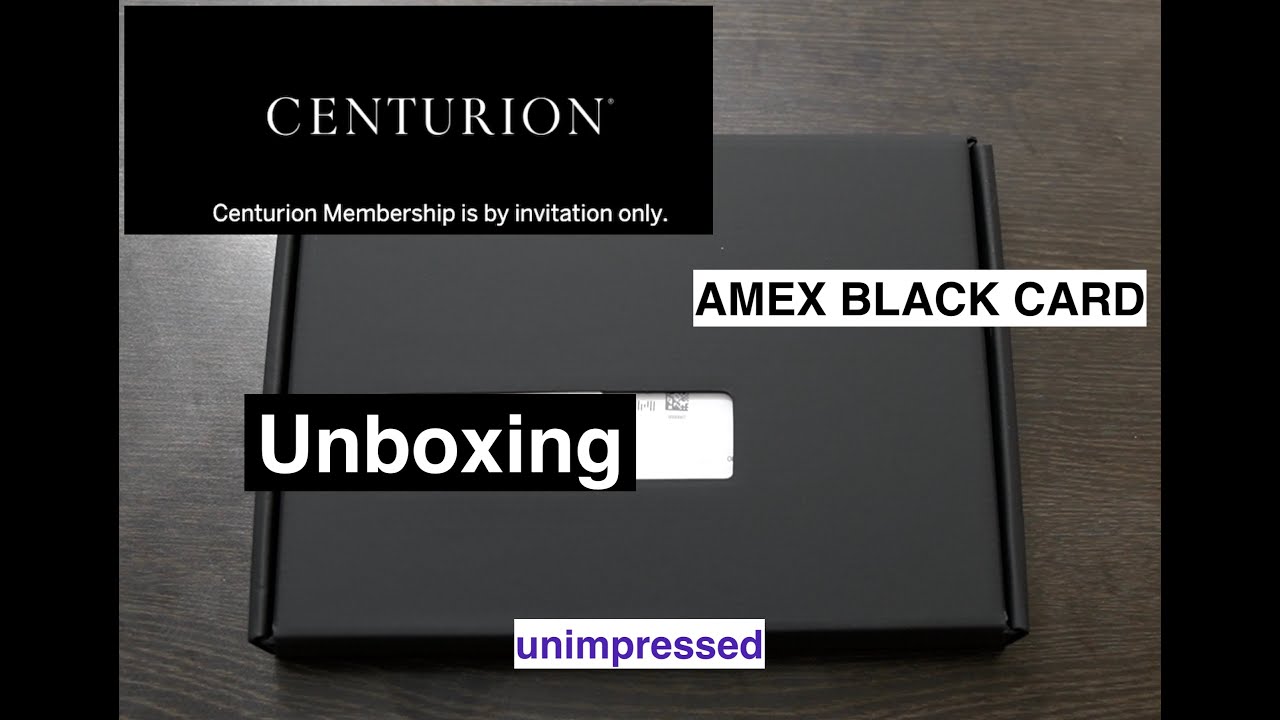
You cannot apply for the Centurion Card. You cannot check a box on a website or visit a bank branch. You must be “invited.” But even that is a misnomer; you must be selected.
The official criteria are famously opaque. Rumors suggest you must spend over $250,000 to $500,000 per year on your Platinum Amex card. But this is a bare minimum. The true secret is that the invitation is a test. Financial institutions view millionaires as a commodity. What American Express seeks is a very specific type of wealth: old, quiet, and reliable.
The invitation process is a form of vetting for the secret society of wealth. Amex algorithms look for patterns of spending that suggest influence rather than flash. Buying a private jet? Interesting. Buying a $50,000 bottle of wine at a charity auction? More interesting. Paying your balance in full every month? Essential.
Inside the Amex Centurion: The Black Box

Source: en.wikipedia.org
If you receive the heavy, anodized titanium card in its black envelope, you have passed through the looking glass. Inside the Amex Centurion ecosystem, the value is not in the credit line—which is theoretically unlimited—but in access.
Here is what is hidden inside:
- The “Global Assist” Hotline: This is not for finding a good restaurant. This is for locating a neurosurgeon in a war zone, getting a passport to a yacht in international waters, or procuring an endangered species of orchid for a gala in six hours. The concierge has no “no.”
- The Travel Back-Channel: Centurion holders don’t fly “first class.” They own the airline. If a flight is overbooked, a Centurion agent can often bump a paying passenger—not because the cardholder is richer, but because the card guarantees a “relationship” with the carrier’s executive office.
- The “Black” Events: Bespoke, unlisted cultural events curated exclusively for cardholders. A private concert by a legendary band. A dinner cooked by three Michelin-starred chefs in a cave. You don’t hear about them; you are simply told when to show up.
The Unspoken Rules of Wealth: Decorum Is Currency

Source: arkhamdb.com
This is the most critical secret of the Black Card. The unspoken rules of wealth are not about spending money; they are about not needing to prove it.
The Black Card is a handle, not a weapon. A true holder knows these rules implicitly:
1. The Card Is Never Displayed.
The most nouveau riche behavior is to whip out a Black Card to impress a date or a maître d’. The card is kept in a discrete sleeve or a separate pocket. You hand it over facedown. The goal is silence. The power is in the fact that the transaction clears without the waiter needing to see the color.
2. The Concierge Is Paid in Gratitude, Not Tips.
New money demands. Old money requests. The Centurion concierge can do almost anything, but they will move mountains for a client who says “please” and sends a handwritten thank-you note. The true secret is that the relationship with the personal agent is worth a hundred times more than the card itself. Burn that relationship, and you burn your access.
3. Money Solves Time, Not Boredom.
The secret society of wealth uses the card to buy back time. They use it to skip the line, to avoid the layover, to get the meal expedited. They do not use it to throw a party for 500 people they don’t know. Wealth whispers. Chaos screams.
The Invitation Fee: The Price of Belonging
Most people know the $5,000 initiation fee and the $2,500 annual fee. But those are just the cover charge. The real price is psychological.
To maintain the card, you must continue to spend at a level that justifies your place in the secret society of wealth. This creates a behavioral trap known as the “Centurion Cuff.” Once you have the card, you can never go back. If your spending drops, the invitation to renew doesn’t come. You are excommunicated.
This forces holders to maintain a certain “velocity of money”—not for necessity, but for identity. It is the price of staying inside the Amex Centurion circle.
The Final Secret: It’s a Mirror
The Black Card does not make you wealthy; it reflects your wealth. It is not a ladder, but a reward.
The ultimate unspoken rule of wealth is that the people who get the card don’t need it. They already have the connections, the access, and the influence. The card is merely a tool to manage the logistics of an already extraordinary life.
To the outside world, the secret of the Black Card is the promise of magic. To the holder, it is simply a heavier, colder piece of metal that says, “You have passed the test. Now, go back to your life, and be quiet about it.”
The card is the password. The silence is the membership.