




For principals, family offices and the advisers who move them, private jet charter is less a glamour purchase than a time-and-control decision. The aircraft leaves when you are ready, uses the airport that actually serves your destination, and carries the whole party together. The bill, however, is easy to misread if you only look at a single hourly number.
This guide explains how on-demand charter is sold, which costs sit around the advertised rate, and how that compares with a jet card. Every figure below is a typical public estimate drawn from 2025–2026 pricing guides. It is not a quote, not an offer, and not a promise of availability.
How an on-demand charter is actually sold
You are not buying a seat. You are chartering the entire aircraft, with its crew, for a specific trip. The company named on the contract as the operator — the holder of the Air Operator Certificate — has operational control of the flight. A broker or concierge can help you compare options, but they are not the carrier unless they say so clearly and hold the certificate themselves.
Most quotes start from a wet hourly rate: the aircraft, crew and fuel for each billed flight hour (often including a minimum number of hours per day or per sector). Around that sit line items that vary by route:
- Positioning: the cost of flying the aircraft in empty, or home again, if it is not already based at your departure airport.
- Airport costs: landing, handling, parking and, at some fields, slot or permission fees.
- Trip extras: catering, de-icing, cabin attendants on larger aircraft, overnight crew expenses.
- Taxes: in the United States, domestic charter typically attracts a 7.5% federal excise tax plus segment fees; other countries apply their own levies. Always ask what the quote includes.
That is why two published “hourly rates” can describe different things. A base rate looks cheaper until the extras appear. An all-in planning rate already folds in taxes and standard fees, so it looks higher at first glance.
Typical hourly ranges (planning estimates only)
BlackJet’s 2025–2026 guide to typical U.S. advertised hourly rates, before many of those extras, puts most charters in a wide band from about $2,500 to $18,000 per flight hour, depending on the cabin:
| Aircraft category | Typical advertised U.S. hourly rate (2025–2026) | Usual role |
|---|---|---|
| Turboprop / very light jet | About $2,000–$3,000 | Short regional hops, smaller airports |
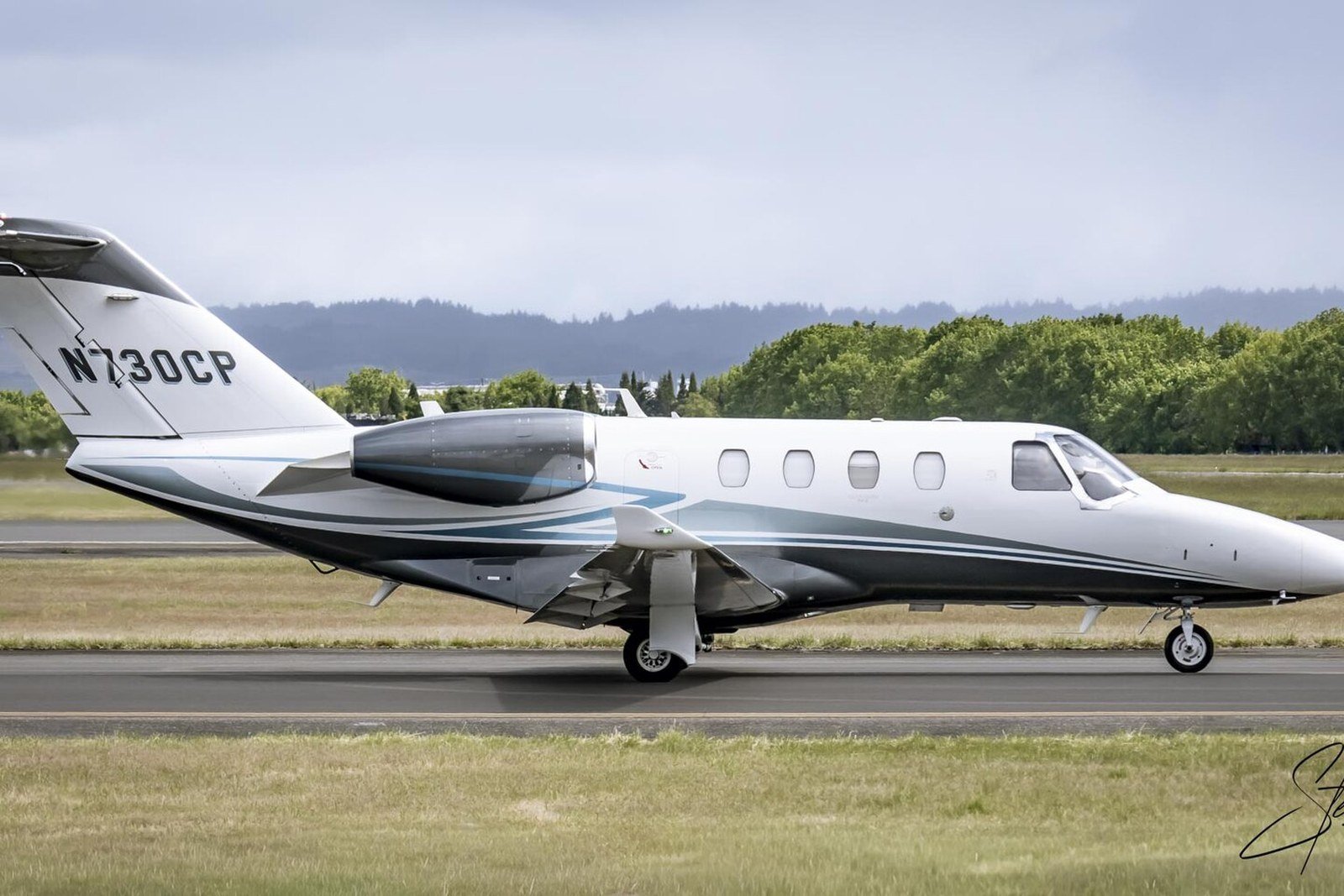
| Light jet | About $3,000–$4,500 | Regional trips, roughly six to eight passengers |
| Midsize jet | About $4,500–$6,500 | Longer domestic sectors, more cabin room |
| Super-midsize jet | About $6,000–$8,500 | Transcontinental range and comfort |
| Heavy jet | About $8,500–$12,500 | Longer international trips, larger groups |
| Ultra-long-range jet | About $11,000–$18,000+ | Non-stop intercontinental flying |
All-in retail estimates are higher, because they try to capture the whole trip. Stratos Jets, reviewing its figures in November 2026, published all-in hourly planning ranges of about $7,622–$9,316 for a light jet, $8,300–$10,144 for a midsize, $12,318–$15,056 for a heavy jet, and $18,744–$22,910 for an ultra-long-range cabin, including applicable taxes and standard fees in its methodology. JetLevel, working from its own quote sample, likewise publishes median all-in rates that sit well above many advertised base rates — for example a median of about $7,714 per block hour for a light jet in its dataset.
Treat every band as a planning compass, not a tariff. The same light jet can price very differently on a one-way trip that requires a long empty positioning flight, on a peak holiday Friday, or on a short sector that still incurs a daily minimum.
Jet card versus on-demand charter
A jet card is a prepaid block of hours — often 25 hours — or a deposited account, flown at a fixed or capped rate for a cabin class, usually with guaranteed availability inside a stated notice window. In return, you tie up capital and accept the programme’s peak-day rules, residual daily minimums and expiry dates.
Public comparisons in 2025–2026 commonly describe card entry deposits in a range of about $100,000 to $250,000 for many programmes, with some products starting lower and others far higher (into the high six figures or more). Private Jet Card Comparisons, in its Q1 2025 survey of North American guaranteed-availability programmes (including fuel surcharges and the U.S. 7.5% excise tax where applicable), reported average hourly rates of about $8,305 for light jets, $9,817 for midsize, $12,510 for super-midsize, $15,197 for large-cabin jets and $19,152 for ultra-long-haul cabins. Those are programme averages, not a menu you can book today without checking current terms.
| On-demand charter | Jet card | |
|---|---|---|
| Upfront cost | None beyond the trip deposit in the quote | Prepaid hours or a substantial deposit |
| Rate | Market rate, trip by trip | Fixed or capped by cabin class |
| Availability | Depends on the market that day | Guaranteed, with notice and peak-day rules |
| One-way trips | Often priced with positioning in mind | Often billed mainly for occupied flight time |
| Commitment | None after the trip | Unused hours may expire in 12–24 months |
A widely used rule of thumb is that below about 25 flight hours a year, on-demand charter usually wins on total cost. A card starts to earn its keep when you fly more often, need the aircraft on short notice into busy dates, or fly many one-way sectors where a fixed rate absorbs positioning. Always read the peak-day list and the notice window: some programmes have quietly lengthened both.
The Meridian Verdict
Charter is straightforward once you insist on an all-in number for a named aircraft, a named operator and a named itinerary. Use the ranges above only to sense-check a proposal. If you fly occasionally and can be a little flexible, on-demand — and, when the routing fits, an empty-leg — will usually be the more elegant use of capital. If your diary is rigid and your hours are climbing, a card is a tool for certainty, not a bargain by default.
When you are ready to price a specific trip, use the contact form or request a charter quote on WhatsApp. Luxury Meridian can help you frame the brief and introduce a suitable operator or broker. We are not the airline, and we will not take payment for the flight on this website.
Stay tuned to Luxury Meridian for continued, high-level analysis of the private-aviation choices shaping global travel and wealth.
Further reading
- The Open Return: How Empty-Leg Private Jet Flights Really Work
- The Gulf Corridor: Private Jets in Dubai, the GCC, Morocco and Europe
- The Safety Ledger: How to Choose a Private Jet Charter Operator
- For charter operators: partner with us
Sources: BlackJet (Altitude Blog), Stratos Jets Pricing, JetLevel Charter Costs, Private Jet Card Comparisons, Altivo Jets, Private Jets VIP.
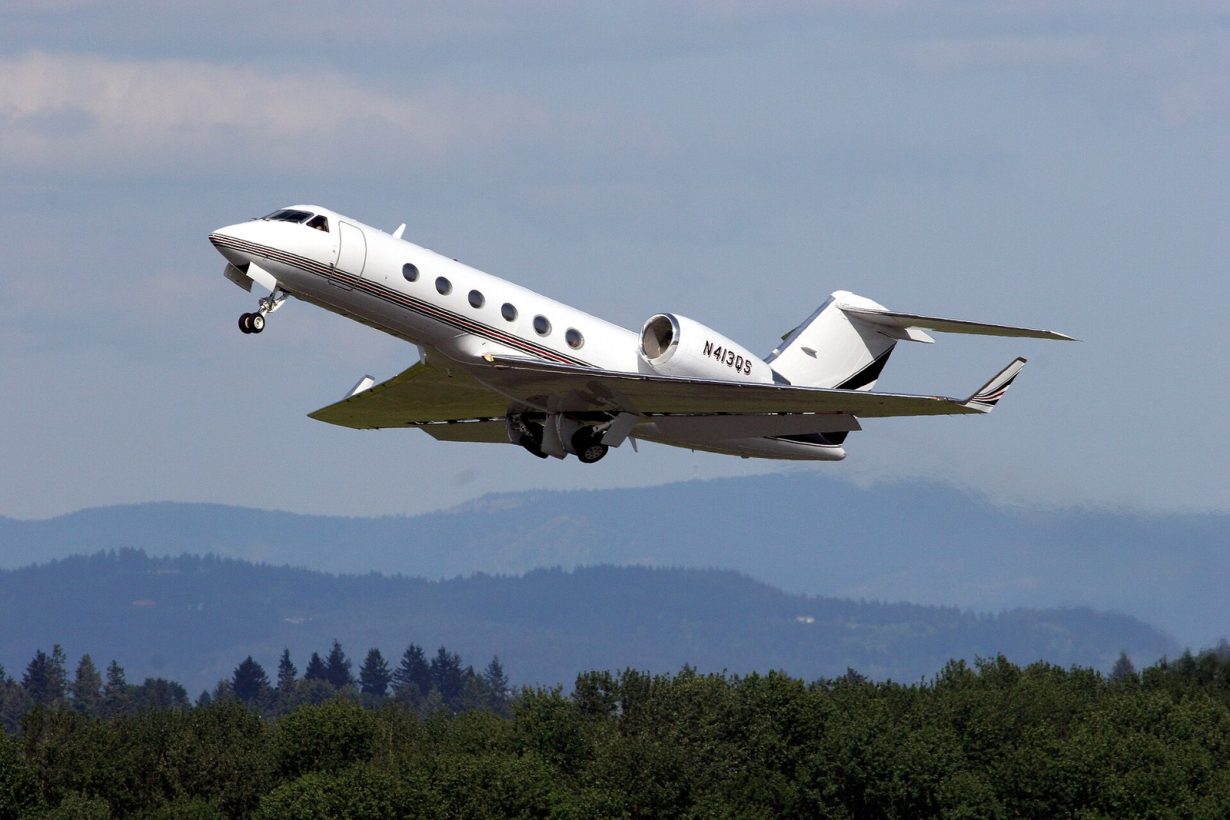
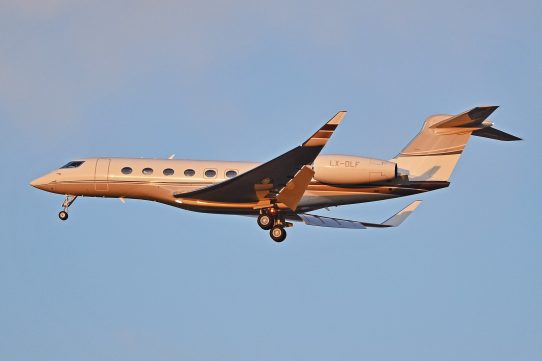
Image: Gulfstream G-400 — Planephotoman, Wikimedia Commons (CC BY 2.0), cropped




[…] The Hourly Ledger: How Private Jet Charter Works — and What It Typically Costs […]
[…] The Hourly Ledger: How Private Jet Charter Works — and What It Typically Costs […]