





For travellers who can move their diary by a few hours — or a day — the empty leg is one of the few genuine discounts in private aviation. It is also one of the most oversold. Social posts promising a light jet to Europe “for the price of business class” are usually advertising a hope, not a ticket.
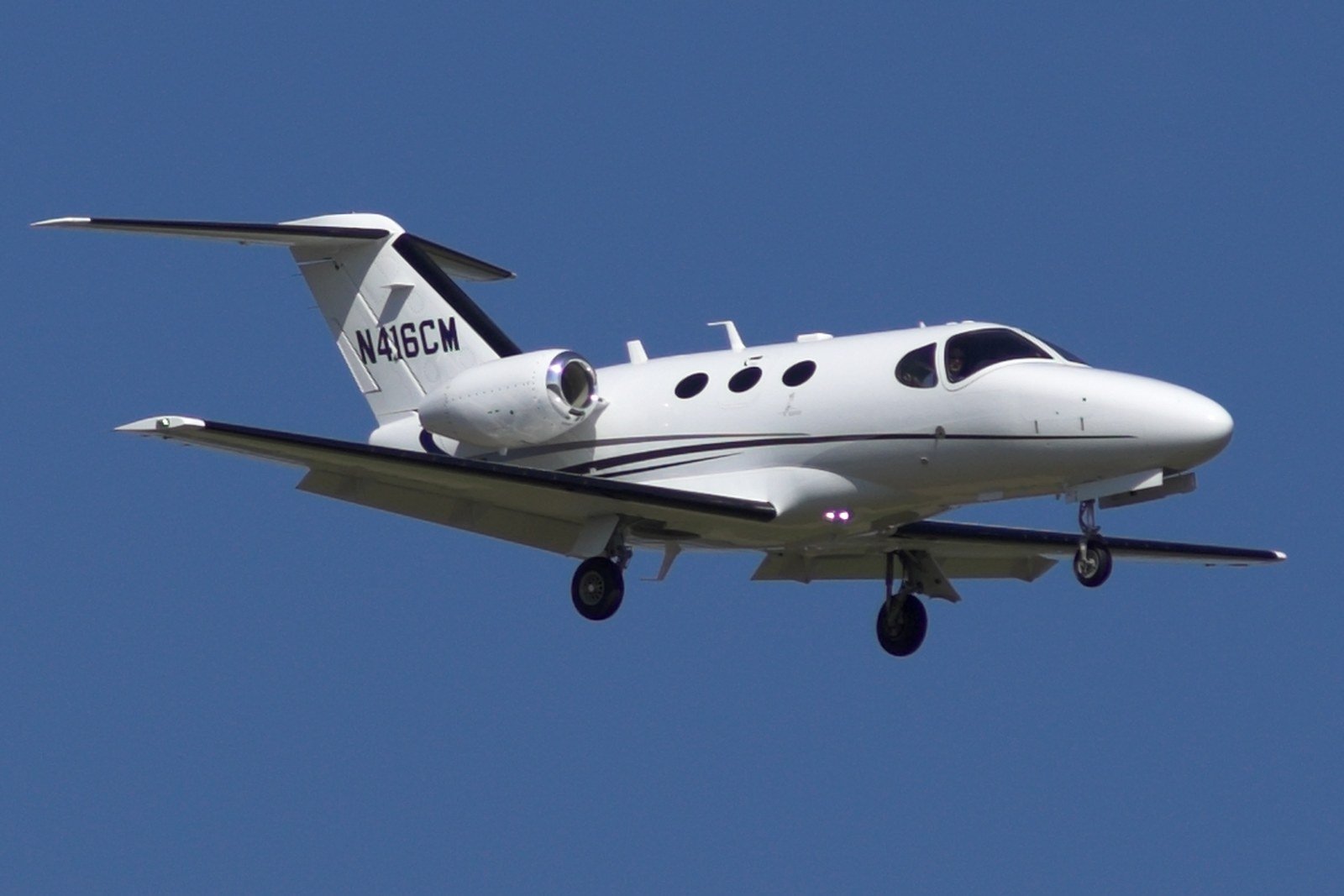
An empty leg (also called a deadhead or ferry flight) is a private aircraft that must fly without passengers in order to get home, or to position for the next paying trip. The operator has to fly the sector anyway. Selling it at a discount recovers some of the cost. The product is still the whole aircraft, operated by the same certificated carrier, on a route and timetable set by someone else’s itinerary.
What you typically save — and what you give up
Public marketplace and operator guides in 2025–2026 usually describe empty legs as costing about 25–75% less than a comparable one-way charter. SkyAccess, for example, cites that broad band and then notes that 30–50% is a more typical discount in practice, with 75% off the exception rather than the rule. A 2026 discussion from Palm Beach Jets is even more conservative: in that operator’s experience, empty legs often price about 30–40% below a conventional charter, and sometimes only 15–20%. ATL Global Jet, modelling European routes in November 2026, describes empty legs as often landing between about 40% and 60% of the full charter price of the same aircraft.
Those figures are typical estimates, not a tariff. A busy summer Friday into Nice will not be given away. A midweek repositioning on a quiet route, close to departure, is where the sharper discounts tend to appear.
The trade-off is flexibility:
- The route is fixed — or almost fixed. You may be able to add a nearby airport, usually at extra cost, but you are not designing a custom itinerary.
- The time is not yours. Departure is built around the original trip and the crew’s duty day.
- The flight can move or vanish if the paying charter is retimed or cancelled.
- It is almost always one way. Your return is a separate problem, unless another empty leg appears.
Safety should not be the thing you compromise. If the operator, aircraft and crew are the same as on a full-price charter, the audit trail should be the same. The discount is about unused metal in the sky, not a lighter rulebook.
When an empty leg is worth booking
Empty legs reward people who already wanted that route on that day, and who can accept a change. They are a poor fit for a board meeting that cannot slip, a wedding that starts at a fixed hour, or a connection you cannot miss.
They are more plentiful around seasonal peaks — the Mediterranean summer, the ski months, and large events — because more aircraft are being sent to and from the same handful of airports. That sounds convenient, until you remember that everyone else is looking at the same list. The bargain is not always still a bargain once several parties are bidding, and a listing is not a reservation until it is confirmed in writing.
Be wary of headline prices that look too clean. Industry voices have pointed out that “Teterboro to London for a few thousand dollars” is often clickbait; the actual aircraft may not exist at that price, or not on that day. Ask for the operator’s name, the tail number, the exact airports, the cancellation terms, and whether taxes and handling are included. If those answers are vague, walk away.
The Meridian Verdict
An empty leg is a useful tool for the flexible principal, not a secret market that makes private aviation cheap as a rule. Budget for a typical saving of about a third to a half, treat anything steeper as a windfall, and keep a scheduled or full-charter backup if the appointment matters. The same due diligence you would apply to any charter — certificate, aircraft on the operations specifications, current safety audits — still applies.
If an empty-leg routing could work for you, or if you would rather price a conventional one-way, contact us or request a charter quote on WhatsApp. We can help you check a listing against a proper alternative. Luxury Meridian is not the operator, and flights are not paid for on this site.
Stay tuned to Luxury Meridian for continued, high-level analysis of the private-aviation choices shaping global travel and wealth.
Further reading
- The Hourly Ledger: How Private Jet Charter Works — and What It Typically Costs
- The Gulf Corridor: Private Jets in Dubai, the GCC, Morocco and Europe
- The Safety Ledger: How to Choose a Private Jet Charter Operator
- For charter operators: partner with us
Sources: SkyAccess, Palm Beach Jets, ATL Global Jet, BlackJet (Altitude Blog).
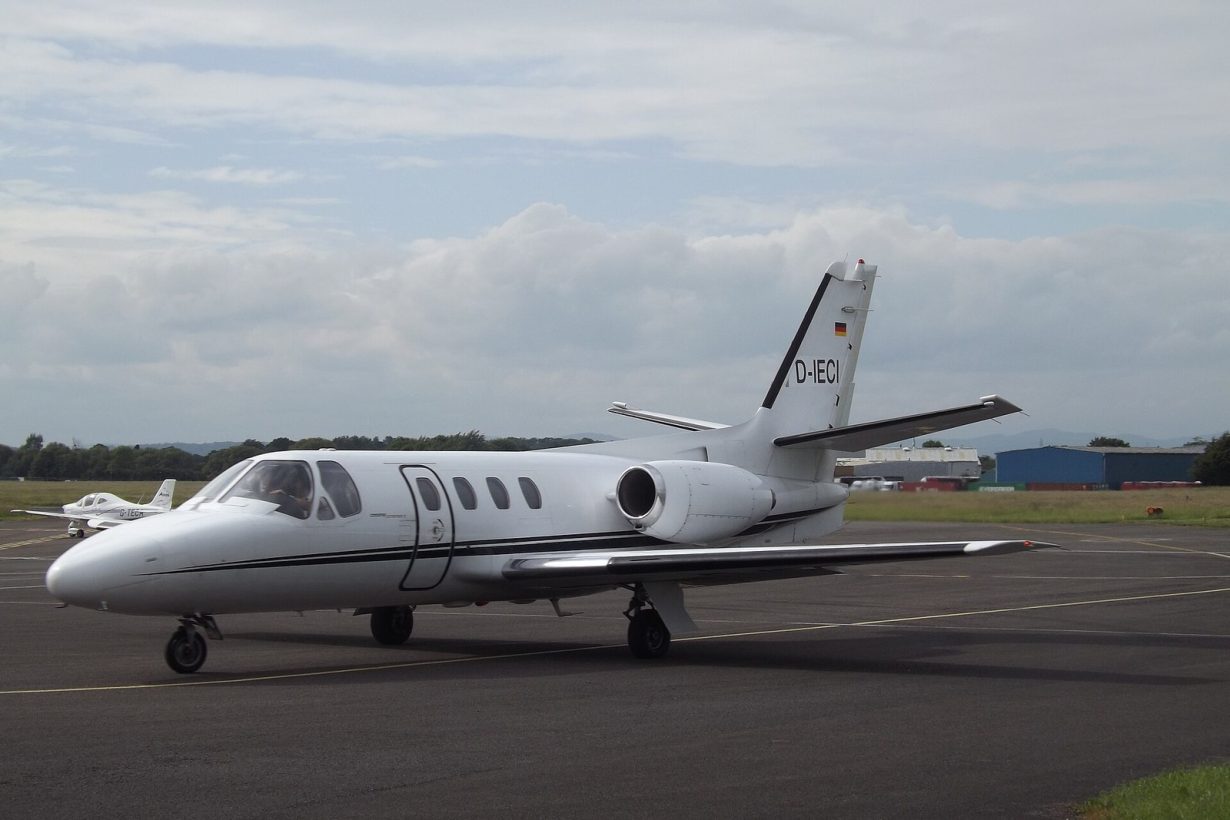
Image: D-IECI Cessna Citation 500 I Private (35888471435) — James from Cheltenham, Gloucestershire, Wikimedia Commons (CC BY-SA 2.0), cropped







[…] The Open Return: How Empty-Leg Private Jet Flights Really Work […]
[…] The Open Return: How Empty-Leg Private Jet Flights Really Work […]