


Every agency knows the feeling: you open the analytics dashboard, and the numbers are red. CPMs are up, CTRs are down, and CPA has doubled overnight. You check the news—Meta rolled out a new ranking algorithm. Google flipped a switch on a core update. The worst part? You have to tell the client.
A sudden dip in ad performance is the single biggest catalyst for agency-client communication churn. Clients who feel blindsided by bad news often panic, threaten to pause spend, or start looking for a new agency.
The solution is not to hide the data. It is to own the narrative. The difference between a lost account and a strengthened partnership lies in the proactive client update templates you deploy in the first 72 hours of the crisis.
This article provides a complete email sequence designed to retain clients during an algorithm-induced performance dip. These client retention email templates are structured to educate, reassure, and re-align expectations before fear takes hold.
Why Algorithm Updates Trigger Client Churn
Source: www.instagram.com
Before we dive into the emails, it’s critical to understand the psychology of the client. To them, a drop in performance feels like a drop in ROI. They don’t care about “the algorithm”; they care about the pipeline.
The gap in perception is: The agency sees a technical challenge requiring tactical pivots. The client sees a failing strategy.
To close this gap, your algorithm update client management strategy must be empathetic, data-driven, and proactive.
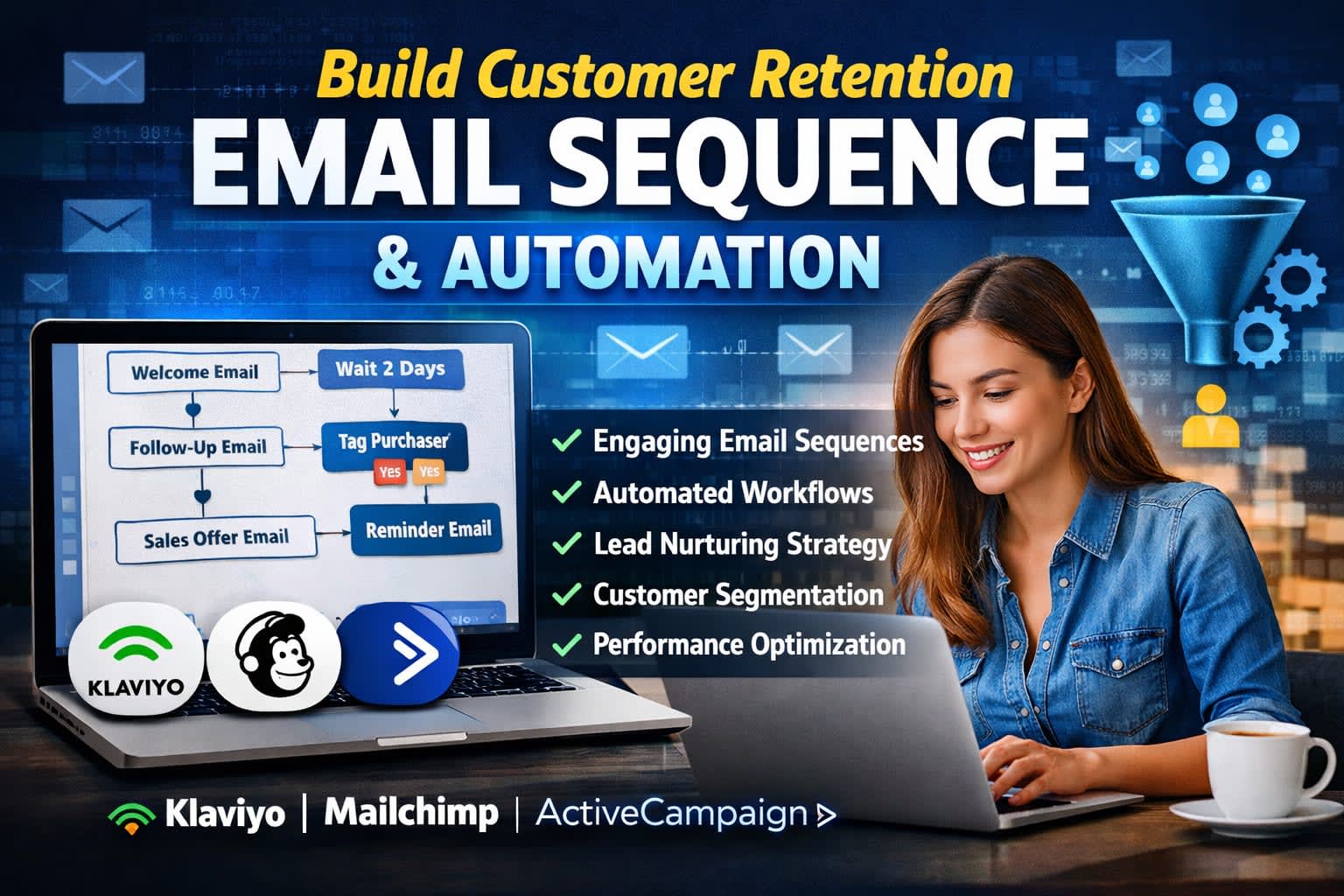
The 3-Step Client Retention Email Sequence
Source: www.fiverr.com
This sequence assumes you have spotted the dip within 24-48 hours, confirmed the algorithm update is the culprit, and have a preliminary plan to test new variables.
Email 1: The “We See It” Notice (Immediate Alert)
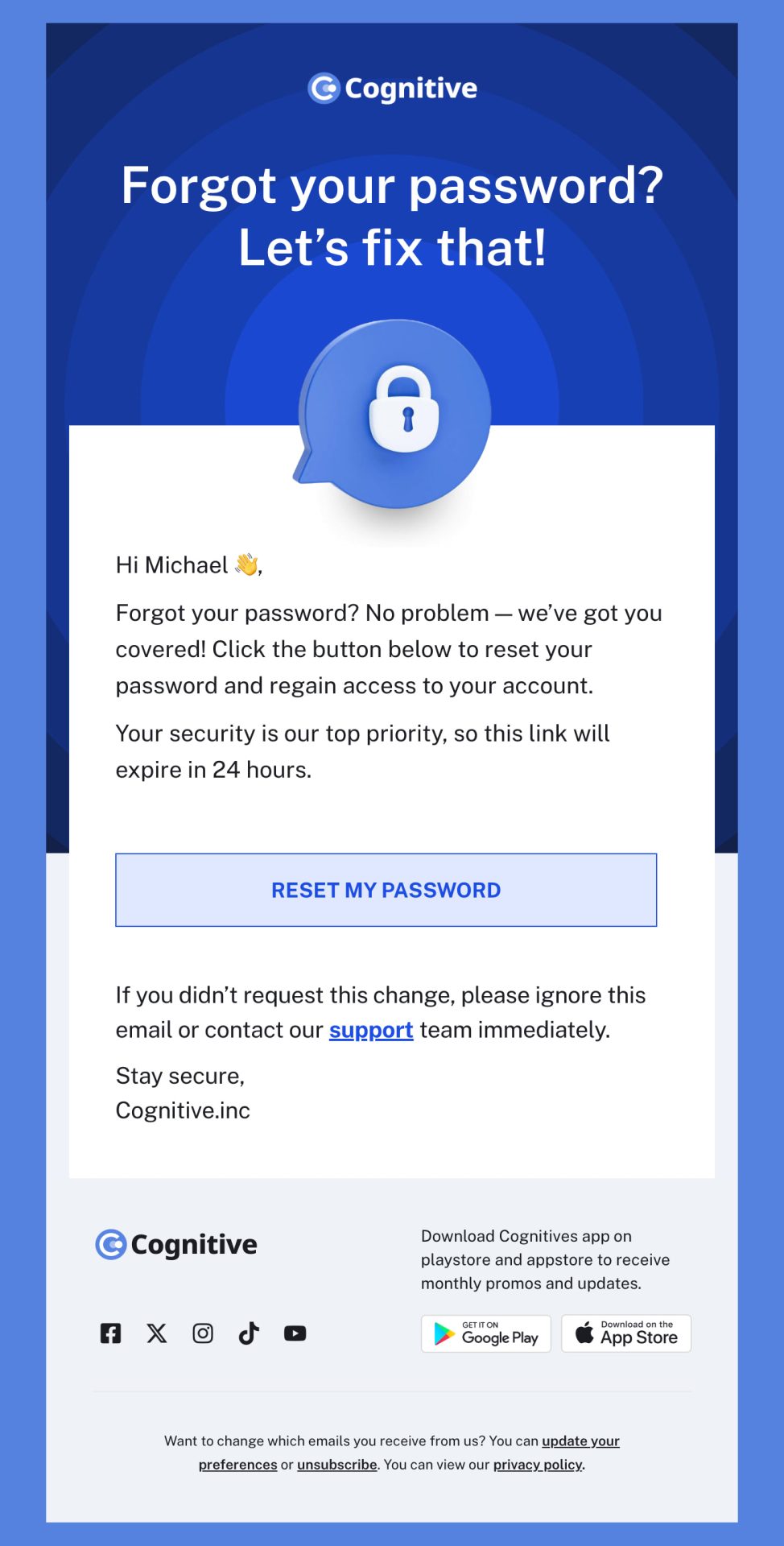
Source: designmodo.com
Goal: Kill the rumor mill. Get ahead of the client’s inevitable question (“Why are my results dropping?”) before they ask it.
Best time: Within 48 hours of the drop.
Subject: Update regarding [Platform] performance change | [Agency Name]
Body:
Hi [Client Name],
I’m writing to give you a quick heads-up regarding recent changes in your advertising performance.
Over the past 48 hours, we noticed a shift in key metrics on [Platform], specifically a [X%] increase in Cost per Acquisition. We have audited the account internally, and the data points strongly to a recent algorithm update rolled out by [Platform] over the weekend.
What this means:
Platforms like [Platform] routinely update their ranking and delivery systems. This particular update appears to be affecting bidding dynamics and audience delivery across the board—not just your account. This is a temporary volatility event, not a permanent failure of your strategy.
What we are doing right now:
- Diagnosis: Our team is reviewing auction insights and audience segments to understand the specific variables impacted.
- Testing: We have launched a small A/B test on [Creative/Bid Strategy] to find the new “sweet spot” for delivery.
- Monitoring: We are watching the account hourly to catch the stabilization point.
What you can expect:
We will have a full recovery plan and performance forecast ready for you in [Timeframe – e.g., 3-5 business days]. Please do not make any changes to budgets or pause campaigns right now; stabilization usually requires the algorithm to “learn” again.
We wanted you to hear this from us first. We are on it.
Best,
[Your Name]
Email 2: The “We Understand” Education (Value Proof)
Goal: Re-position the agency as the expert guide, not just an order-taker. This email focuses on client retention email templates that educate rather than defend.
Best time: 2-3 days after Email 1.
Subject: What we know about the algorithm shift + Next steps
Body:
Hi [Client Name],
Following up on my previous note, I wanted to share a deeper dive into our findings regarding the algorithm update.
The Data Story:
We have analyzed data from [Number] other accounts in your vertical. The pattern is consistent: the updated algorithm is currently favoring [New pattern, e.g., shorter videos, different landing page load times, specific audience signals]. The good news is that your historical data gives us a massive edge in re-training the platform.
Why this is not a red flag:
This is a classic “algorithm recalibration.” The platform is testing new ways to prioritize user experience. In the past, similar updates on [Platform] resulted in a temporary 2-3 week dip, followed by a recovery to baseline or better.
The Action Plan (What we are testing):
We are deploying the following counter-measures to stabilize your account:
- Creative Refresh: We are rotating in [2-3 new ad variations] that align with the new delivery signals.
- Audience Narrowing: We are tightening lookalike pools and adding exclusion lists to reduce wasted spend.
- Bid Management: We are switching from [Lowest Cost] to [Cost Cap] to regain control over unit economics.
Your Role:
Please be aware that results may fluctuate for the next [1-2 weeks]. The goal is to stabilize first, then scale. We ask for your patience during this period.
We are proactively updating this Google Doc link with daily metrics so you can see the progress in real time.
Trust the process,
[Your Name]
Email 3: The “We Fixed It” or “We Are Learning” (Recovery/Reassurance)
Goal: Close the loop. Show that the dip was a blip, not a trend. This is the final ad performance dip email that solidifies retention.
Best time: 7-14 days later (based on platform volatility).
Subject: Performance recovery update & path forward
Body:
Hi [Client Name],
Great update today. As we predicted, the algorithm volatility is beginning to settle.
The Results:
Over the last 7 days, your Cost Per Acquisition has dropped by [X%], moving us back toward our pre-update baseline. We are currently performing at [X% of original target] and expect to be fully recovered by [Date].
What we learned:
This update taught us that [Insight – e.g., dynamic creative is more resilient than static ads, or broad targeting is favoring lower budgets]. We have documented this for our future strategy.
Next Steps (The Growth Phase):
Now that the platform has re-stabilized, we are shifting from “Damage Control” to “Growth.”
- Budget Re-allocation: We are shifting budget back to the top-performing ad sets.
- Scaling: We will begin testing [X%] budget increases while monitoring CPA closely.
- Reporting: We will return to our standard weekly reporting cadence next week.
Thank you for your trust.
Navigating algorithm updates is part of the agency-client relationship. Thank you for trusting our process and allowing us the time to let the data settle.
We look forward to discussing our Q3 roadmap next week.
Onwards,
[Your Name]
Essential Tips for Algorithm Update Client Management
Writing the email is only half the battle. To avoid agency-client communication churn, follow these three rules:
1. Never Lead with “I Don’t Know”
Clients panic when they sense uncertainty. In your proactive client update templates, you can say “We are still diagnosing the extent of the impact” but never “We don’t know why this happened.” Always imply that you are in the process of knowing.
2. Create a “Living Document” (A Burn Down Chart)
Do not just send emails. Attach or link to a simple Google Sheet that shows daily performance. This visual proof that you are monitoring the account hourly is the single strongest retention tool.
3. Pre-empt the “Pause Spend” Conversation
In Email 1, explicitly ask them not to pause. If the client pauses spend during an algorithm update, the platform loses its learning data. When they re-start, they have to go through the “learning phase” again, prolonging the pain.
Conclusion
Client churn during an algorithm update is rarely about the ad performance itself. It is about the absence of communication.
By deploying these client retention email templates, you transform a potentially catastrophic event into a demonstration of expertise. You show the client that you do not panic, that you have seen this before, and that you have a playbook to recover.
Proactive communication is the firewall against churn. Use these templates to build that firewall before the next update hits.
If you need a retention plan for a performance dip, you can also look at our services and pricing.