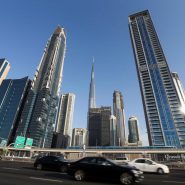

For the world’s most affluent investors, prime real estate is more than an asset class—it is a preservation of capital and a statement of lifestyle. While global macroeconomic shifts and regional geopolitical undercurrents cause hesitation in traditional markets, Dubai’s luxury property landscape continues to tell a remarkably different story.
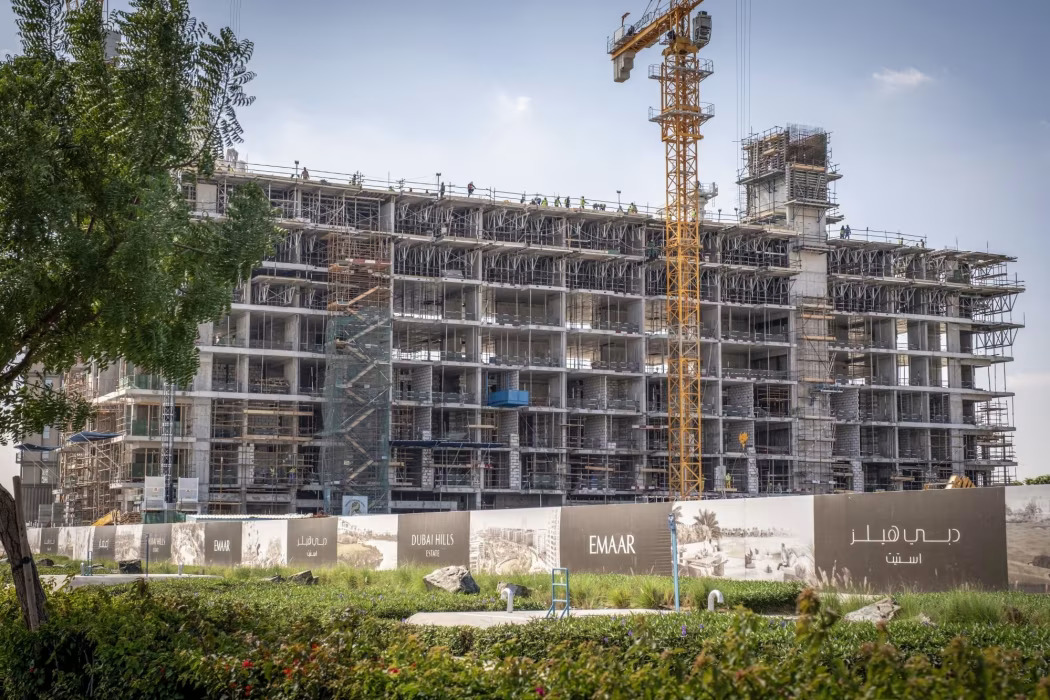
Emaar Properties, the master builder behind the iconic Burj Khalifa and the city’s most prestigious master-planned communities, just posted a staggering 35% surge in quarterly net profit, reaching a commanding 5.00 billion U.A.E. dirham ($1.36 billion). The message from the market is clear: the global elite’s appetite for Dubai’s ultra-luxury lifestyle remains insatiable.
Redefining Resilience Amid Broader Volatility
Historically, Dubai has positioned itself as a glittering oasis of stability in a volatile region. However, recent escalations—including regional drone and missile activity—have tested that reputation and prompted investors to scan the horizon for signs of impact.
While property consulting firm Savills noted that some mid-market buyers are temporarily adopting a “wait-and-see” approach, the ultra-luxury tier appears insulated. Emaar’s exceptional performance underscores the structural strength of Dubai’s high-end property market. Backed by an unprecedented revenue backlog, steady construction momentum, and robust customer collections, the city’s premier developer is gracefully navigating the macroeconomic waves.
Wellness and Green Living: The New Luxury Frontier
Emaar’s financial success isn’t just driven by past triumphs; it is fueled by a forward-thinking vision of modern luxury. During the quarter, the group launched a series of high-profile developments, highlighted by The Heights Country Club & Wellness.
This nature-led, master-planned community signals a major shift in what affluent buyers demand: integrated lifestyle experiences centered around wellness, green living, and personal sanctuary. It is no longer enough to build vertically; the new luxury standard is defined by health, space, and environmental synergy.
The Divergence: Premier Portfolios vs. Hospitality Realities
While Emaar’s core build-to-sell real estate business is thriving, the broader conflict has left minor footprints on hospitality and high-end entertainment portfolios. The developer noted subtle impacts on visitor flows affecting hotel occupancy and specific leisure assets during the quarter.
However, because recurring income from premium retail, commercial leasing, and residential sales forms the bedrock of Emaar’s business model, these hospitality fluctuations represent a minor detail in a largely pristine balance sheet. Malls and elite commercial spaces maintained an enviable 98% average occupancy rate, proving that retail therapy and corporate presence in Dubai remain unwavering.
A Tale of Two Tiers
Market experts and boutique property brokers note that Emaar’s record-breaking quarter highlights a widening gap in the Dubai real estate market. Established mega-developers with flawless track records and world-class portfolios are absorbing the lion’s share of global wealth flight. For smaller, highly leveraged property companies, a prolonged regional stalemate may present headwinds. But for the elite investor anchored in master-planned luxury, Dubai continues to stand tall as the premier capital destination of the modern world.
The Bottom Line: True prestige thrives under pressure. As Emaar rewards its investors and rolls out the future of wellness-centric communities, Dubai confirms its status not just as a regional hub, but as an irreplaceable capital city for the global elite.