




For anyone who signs a charter confirmation — a principal, a family-office chief of staff, a security lead — the most expensive mistake is not an extra hour of positioning. It is boarding an aircraft whose operator you have not actually identified. Cabins and hourly rates are easy to compare. Certificates take a little more care, and they are the part that matters when the weather turns or the insurance question is asked.

This is a due-diligence briefing, not a legal opinion. Rules differ by country, and they change. The point is to know which documents to ask for, and which badges are only marketing until you check them.
Start with the certificate, not the brochure
The foundation is the Air Operator Certificate (AOC), or its national equivalent: the legal authority to conduct commercial charter. In the United States, a charter operator flies under an FAA Part 135 air carrier certificate and operations specifications, and holds economic authority from the Department of Transportation. In the United Arab Emirates the certificate is issued by the General Civil Aviation Authority; in Europe, under EASA and the relevant national authority; in Saudi Arabia, under the General Authority of Civil Aviation.
Three practical tests follow:
- Name the carrier. The contract should identify the certificate holder that will operate the flight, not only a sales brand or a broker.
- Match the tail. The aircraft registration you are offered should appear on that operator’s operations specifications. If it does not, that carrier cannot legally operate it as a charter under that certificate.
- Operational control. The operator — not the broker, not the concierge — decides the crew, the aircraft and whether the flight goes. In the United States, brokers are not supposed to imply otherwise in their advertising.
Ask for the certificate number, the issuing authority and the validity date, and keep copies with the trip file.
ARGUS, Wyvern and IS-BAO: useful, if you verify them
Third-party audits sit on top of the law; they do not replace it. No aviation authority we are citing requires a private rating before a legal operator may fly. They are still worth checking, because they look at how an operator actually trains, maintains and manages safety day to day.
ARGUS (SGS ARGUS International) currently describes several tiers. Gold is a remote audit of the safety management system and maintenance practices. Gold Certified adds an on-site component. Platinum is presented as an intensive two-day on-site examination of training, maintenance, procedures and organisational controls. Platinum Elite is a continuous-monitoring status after consecutive Platinum audits with no significant findings. If someone says only “ARGUS rated,” ask which tier, on which date, for which legal entity. Confirm it in the ARGUS operator registry or on a dated certificate.
Wyvern is easy to over-read. Registered Operator status is described as a data-sharing arrangement, not an audit. Wingman is the audit programme, covering flight operations, safety management, training, maintenance and organisational controls. Wingman PRO is a higher assessment of safety culture and a fully effective safety management system. Wyvern publishes member directories; use them.
IS-BAO, from the International Business Aviation Council, is a safety-management standard in three stages: the system is in place (Stage 1), risks are being managed (Stage 2), and safety management is integrated into the business (Stage 3). Registration evidence and the current stage should be requested from the operator; a public, easy registry is not always available. IS-BAO applies to business aircraft operations generally — it is not, by itself, proof of charter authority.
In every case, check that the badge belongs to the company on your contract, that it has not lapsed, and that it has not been borrowed from a sister company with a similar logo.
A short list of questions before you confirm
- Which legal entity is the operator, and what is its AOC (or Part 135) number?
- Is this exact aircraft registration on that certificate today?
- Who has operational control, and is that stated in the contract?
- Is the crew two-pilot, as is standard on most business jets used for charter, and are the pilots typed on this aircraft?
- What insurance is in force for this movement, and to what limits?
- Are ARGUS, Wyvern or IS-BAO certificates current, and can you send the dated documents?
- If a broker sits in the middle, have they named the operator in writing and explained their own role?
A professional operator or adviser will not be offended by this list. Evasiveness is the signal.
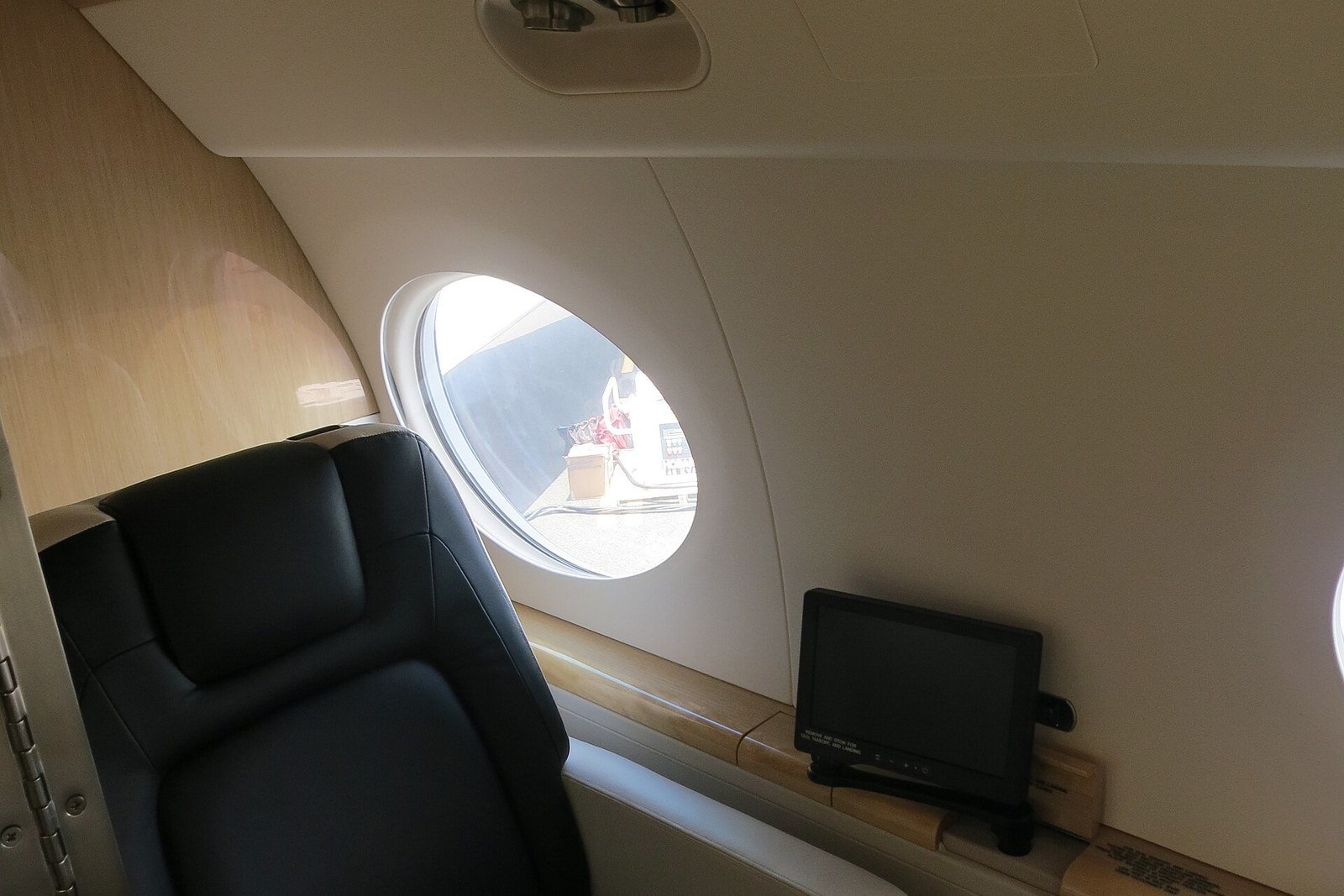
The Meridian Verdict
Private aviation’s promise is not speed alone; it is a controlled environment. That environment starts with a named, certificated operator and an aircraft that legally belongs on their certificate. Ratings such as ARGUS Platinum or Wyvern Wingman are valuable confirmation, not a substitute for the licence itself. Once those facts are in the file, you can go back to discussing cabins, empty legs and departure times with a clearer head.
If you would like a second pair of eyes on a proposal, or you want to request a charter quote from a certificated operator, contact Luxury Meridian or write to us on WhatsApp. We are not the airline, we do not exercise operational control, and we do not take payment for flights on this website.
Stay tuned to Luxury Meridian for continued, high-level analysis of the private-aviation choices shaping global travel and wealth.
Further reading
- The Hourly Ledger: How Private Jet Charter Works — and What It Typically Costs
- The Open Return: How Empty-Leg Private Jet Flights Really Work
- The Gulf Corridor: Private Jets in Dubai, the GCC, Morocco and Europe
- For charter operators: partner with us
Sources: Lombardi Jet, Aircraft Broker Course, Stratos Jets Pricing.
Image: EC-MLR Gulfstream G650 SCQ 03 — Bene Riobó, Wikimedia Commons (CC BY-SA 4.0), cropped