
Short answer: if you are staying in KLCC or Bukit Bintang and plan to see the city itself, you probably do not need a car. Grab rides are cheap, and the LRT, MRT and monorail reach most sights. Car rental in Kuala Lumpur starts to make sense once you add day trips (Genting Highlands, Putrajaya, Malacca, Cameron Highlands), travel as a family with luggage, or stay in suburbs like Mont Kiara, Damansara or Cyberjaya, where rides add up quickly. This guide covers real costs, documents, airport pick-up, tolls and fuel, and the mistakes that catch first-time drivers.
At a glance
- Driving side: left, with right-hand-drive cars. Most rental cars are automatic.
- Typical daily price: roughly RM100–180 for a Perodua Axia, Bezza or Myvi, more for sedans and SUVs (see the table below).
- Deposit: from about RM100–500 with local firms, often higher with international brands, usually held on a card.
- Tolls: almost every expressway. You need a Touch ‘n Go card or the RFID tag the car is fitted with.
- Fuel: foreigners pay the unsubsidised RON95 price (RM3.72 per litre for 19–25 November 2026; it changes every week).
- Airport: KLIA Terminal 1 and Terminal 2 are about 50–60 km south of the city, roughly an hour’s drive.
What a rental car really costs in KL
Prices below are approximate ranges seen with local and international companies outside peak periods. Expect higher rates and minimum rental days around Hari Raya, Chinese New Year, Deepavali and school holidays.
| Category | Typical models | Approximate price per day |
|---|---|---|
| Small hatchback | Perodua Axia, Perodua Myvi | RM100–180 |
| Small sedan | Perodua Bezza, Proton Saga | RM110–180 |
| Mid-size sedan | Honda City, Toyota Vios | RM160–260 |
| SUV / 7-seater | Proton X70, Perodua Alza, Toyota Innova | RM220–400 |
| Premium | Mercedes, BMW, Toyota Alphard | from about RM500 |
The fuel bill surprises people who read older guides. Since September 2025, the cheap RM1.99 RON95 rate under the BUDI95 programme is only for eligible Malaysians using a MyKad. Visitors pay the weekly market price, which was RM3.72 per litre in the week this guide was updated. Tolls are the other line to budget: a return trip to Genting or Malacca can easily add RM20–40 in tolls on top of fuel.
Plan and book your trip to Kuala Lumpur
Live prices from well-known booking sites. Compare before you pay.
- 🚗 Compare car rental prices in Kuala LumpurLocalrent
- 🚗 Deals from international rental brandsEconomybookings
- 🚕 Book an airport transfer in advanceKiwitaxi
- ✈️ Find cheap flights to Kuala LumpurAviasales
Disclosure: some of these are affiliate links. If you book through them we may earn a small commission at no extra cost to you.
Documents and driver rules
Tourists can usually drive in Malaysia on a valid foreign licence printed in English. If your licence is in another language or script (Arabic, Thai, Chinese), bring an International Driving Permit or an official translation. Rules can change, so check the rental company’s conditions and current JPJ (Road Transport Department) guidance before you travel.
- Passport with your entry stamp or MDAC record.
- Driving licence held for at least 1–2 years. Many firms set the minimum age at 21–23, with a young-driver fee below 25.
- A credit card in the main driver’s name for the deposit. Some local firms accept a debit card or a cash deposit.
Picking up the car: KLIA, KL Sentral or delivery
At the airport
International brands have counters at KLIA Terminal 1 and Terminal 2, and many local companies meet you in the arrivals hall with the car in the multi-storey car park. Picking up at the airport makes sense if you are heading straight to Putrajaya, Cyberjaya, Port Dickson or Malacca, all south of the city.
In the city
If your first nights are in KLCC or Bukit Bintang, skip the car at first. Take the KLIA Ekspres to KL Sentral (around 30 minutes), then rent for the days you actually drive. Many local operators deliver to hotels and condos, sometimes for free, which saves you paying for parking you will not use.
The pick-up check
- Film the car all the way round, including wheels, windscreen and roof edge, before you leave the car park.
- Check the Touch ‘n Go card balance or confirm the RFID tag is active, and ask how tolls are billed back to you.
- Agree on the fuel policy (usually same level back) and photograph the gauge and odometer.
- Ask what happens if you get a parking or speed summons after you return the car.
Driving around Kuala Lumpur
KL’s road network is fast but layered: the DUKE, SPRINT, NPE and MEX expressways stack above city streets, and exits come up quickly. Keep navigation running with lane guidance; Waze is what most local drivers use. A few local realities:
- Rush hours run roughly 7–9:30 am and 5–8 pm. The Federal Highway towards Petaling Jaya and the roads around KLCC and Jalan Tun Razak slow to a crawl.
- Tropical downpours arrive in the afternoon most of the year. Visibility drops fast, and some underpasses flood. Slow down, and avoid lane changes in heavy rain.
- Motorcycles filter between lanes on both sides. Check mirrors before every lane change.
- Parking: malls such as Pavilion, Suria KLCC and Mid Valley charge by the hour. Street parking is paid through the local council’s parking apps or coupons, depending on the area, and enforcement is active.
- Speed limits: typically 110 km/h on expressways and lower on federal roads and in town. Cameras are common, and fines can reach the rental company weeks later.
Easy day trips by car
Batu Caves is about 30 minutes north, Putrajaya about 40 minutes south, Genting Highlands about an hour up a winding mountain road, Malacca roughly two hours down the North-South Expressway, and Cameron Highlands about three hours. For the mountain roads, a car with a bit more power than an Axia makes the climb far more comfortable.
Mistakes to avoid with car rental in Kuala Lumpur
- Budgeting fuel at the subsidised price you saw in an old blog post instead of the weekly unsubsidised rate.
- Driving onto an expressway with an empty Touch ‘n Go card. Reloads are possible at petrol stations and convenience stores, not at the toll lane.
- Booking the cheapest Axia for four adults with big suitcases. The boot is tiny.
- Renting a car for days spent entirely in the city centre, then paying for mall parking all day.
- Skipping the return inspection. Ask the agent to confirm in writing (a WhatsApp message is fine) that the car came back without damage.
Want help choosing between airport pick-up and hotel delivery, or checking a quote? Luxury Meridian answers on WhatsApp in English or Arabic.
Handy booking links
🚗 Compare car rental prices in Kuala Lumpur🚌 Bus / Train tickets Kuala Lumpur → Penang
Car rental in KL: frequently asked questions
How much does it cost to rent a car in Kuala Lumpur?
Small cars such as the Perodua Axia or Myvi usually cost around RM100–180 per day outside peak periods. Sedans and SUVs cost more. Fuel, tolls and parking are extra.
Can tourists drive in Malaysia with a foreign licence?
Usually yes, if the licence is valid and in English. Bring an International Driving Permit or an official translation for licences in other languages, and check the rental company's rules.
Do foreigners pay RM1.99 for petrol?
No. The RM1.99 RON95 rate is a subsidy for eligible Malaysians using MyKad. Visitors pay the unsubsidised price, which is set weekly.
How do I pay tolls in a rental car?
Most rental cars come with a Touch 'n Go card or an RFID tag. Check the balance at pick-up and ask how toll charges are billed to you.
Is it better to rent at KLIA or in the city?
Rent at KLIA if you are heading south or out of town straight away. If you start with a few days in central KL, take the KLIA Ekspres and rent later, or ask for hotel delivery.
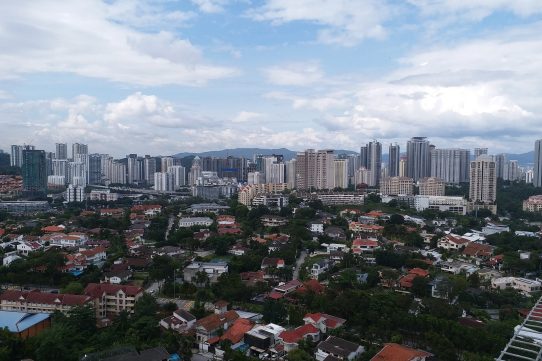
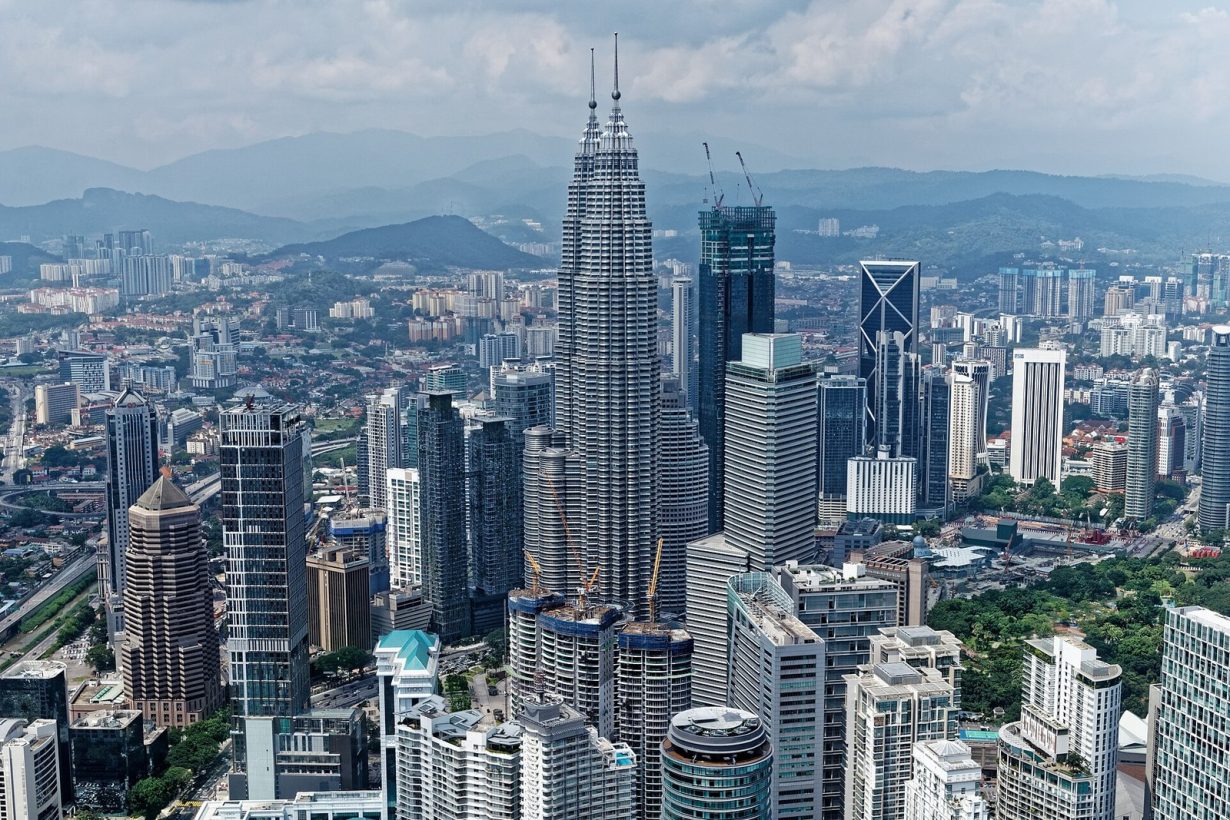
Image: Kuala Lumpur Skyline from KL Tower — Sławomir Gajowniczek, Wikimedia Commons (CC BY-SA 4.0), cropped